What You'll Work On
Our Programs
Eleven specialized subteams. One car. Every discipline of engineering represented.
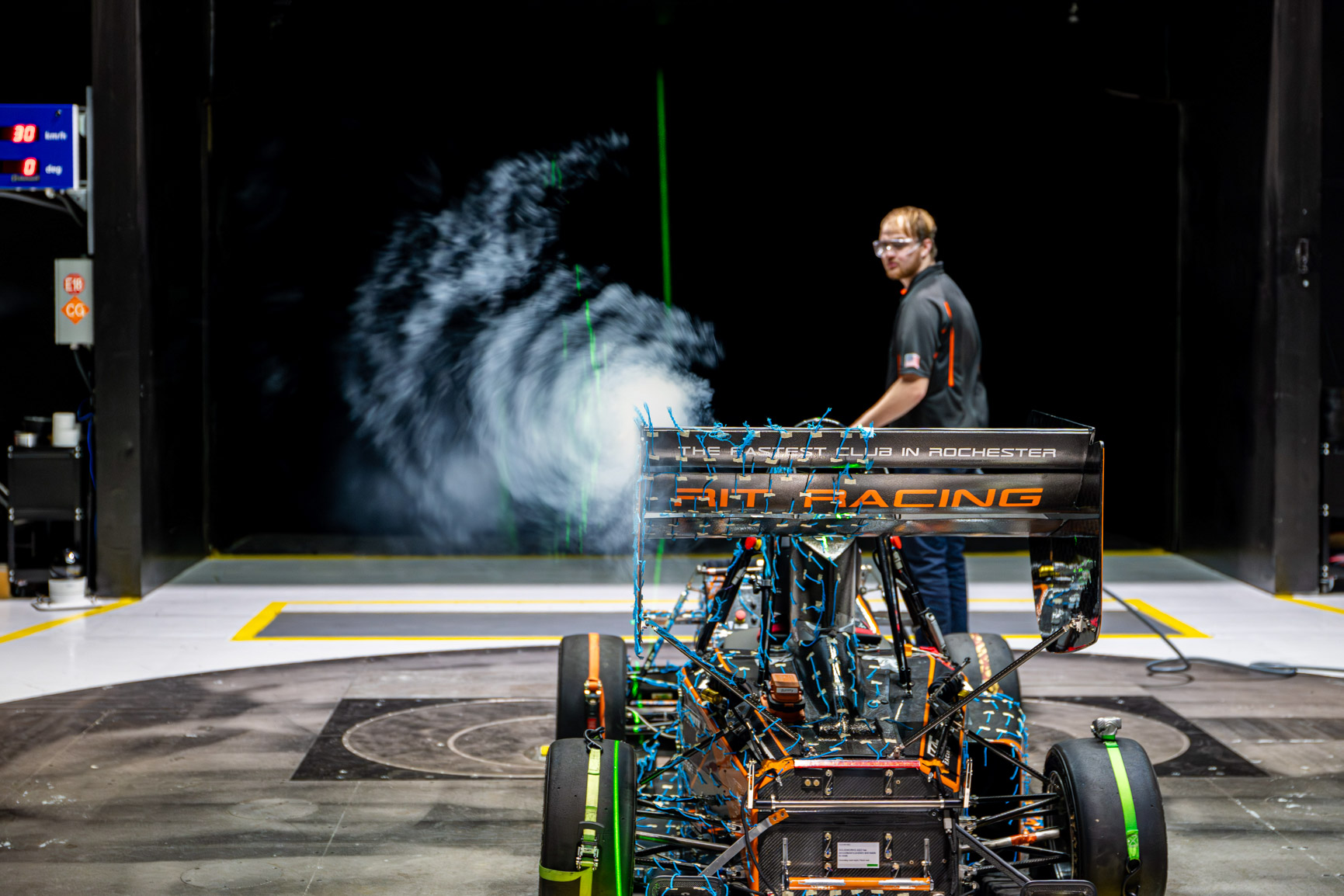
Aerodynamics
Our aerodynamics team develops the aero package from concept through track validation. Most of our efforts pertaining to this program involve studying new approaches and developing innovative ways to implement them. We evaluate our success in this field by gathering qualitative and quantitative data, and using that information to measure shifts and changes from our baseline measurements.
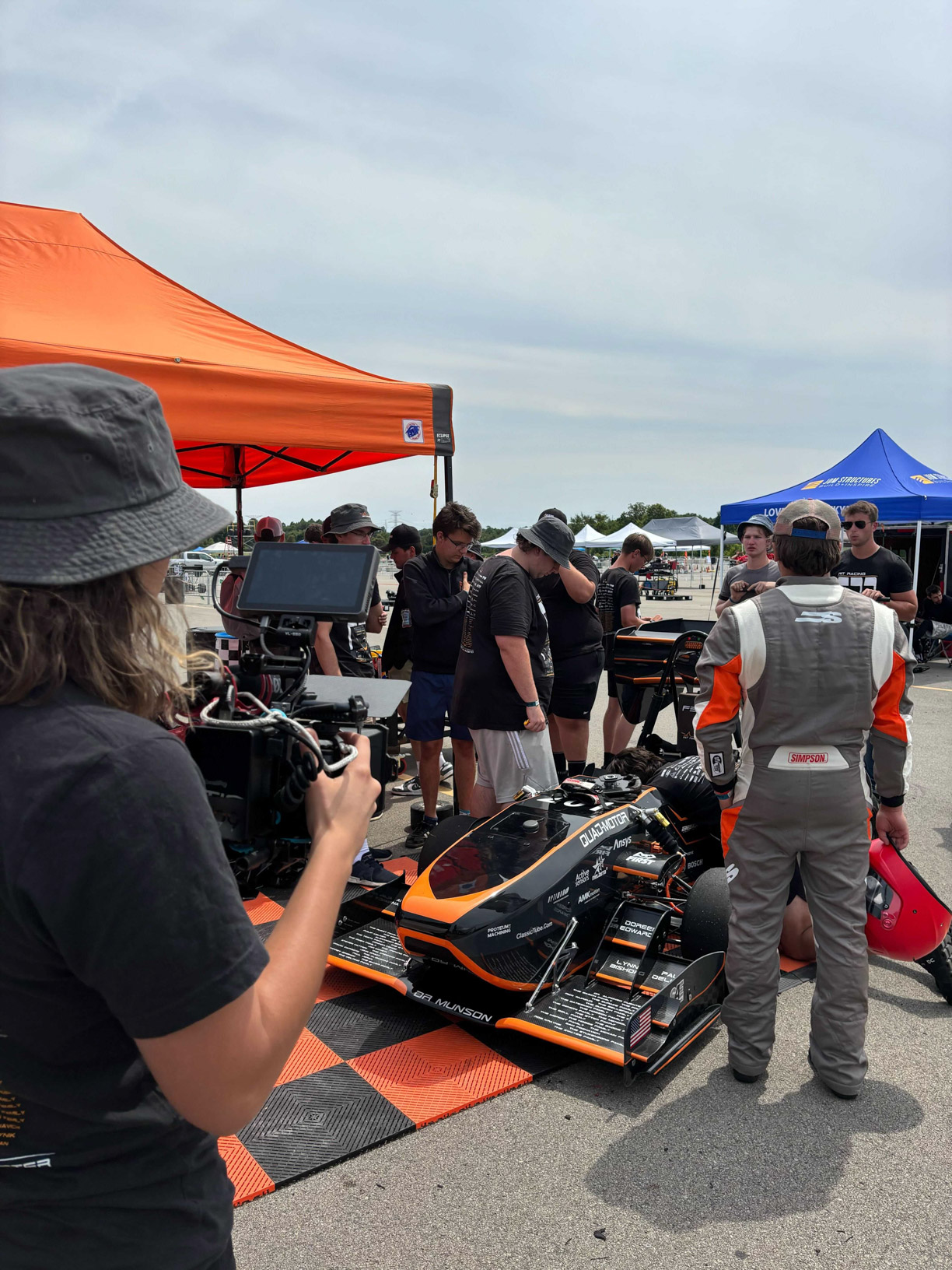
Business Operations
The Business Operations team includes business and marketing and is primarily responsible for purchasing, social media, team outreach, event planning, apparel design, car stickers, and the business presentation event.
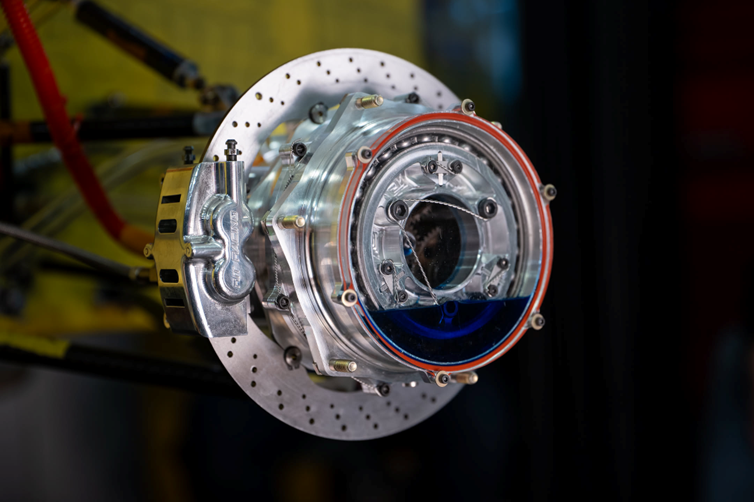
Brakes and Driver Controls
The Brakes & Driver Control team at RIT Racing is responsible for designing, analyzing, manufacturing, testing, and assembling critical systems that connect the driver to the car. This includes the braking system, ensuring precise stopping power and control; the steering system, providing responsive handling and feedback; and the pedal box, optimizing driver ergonomics and performance.
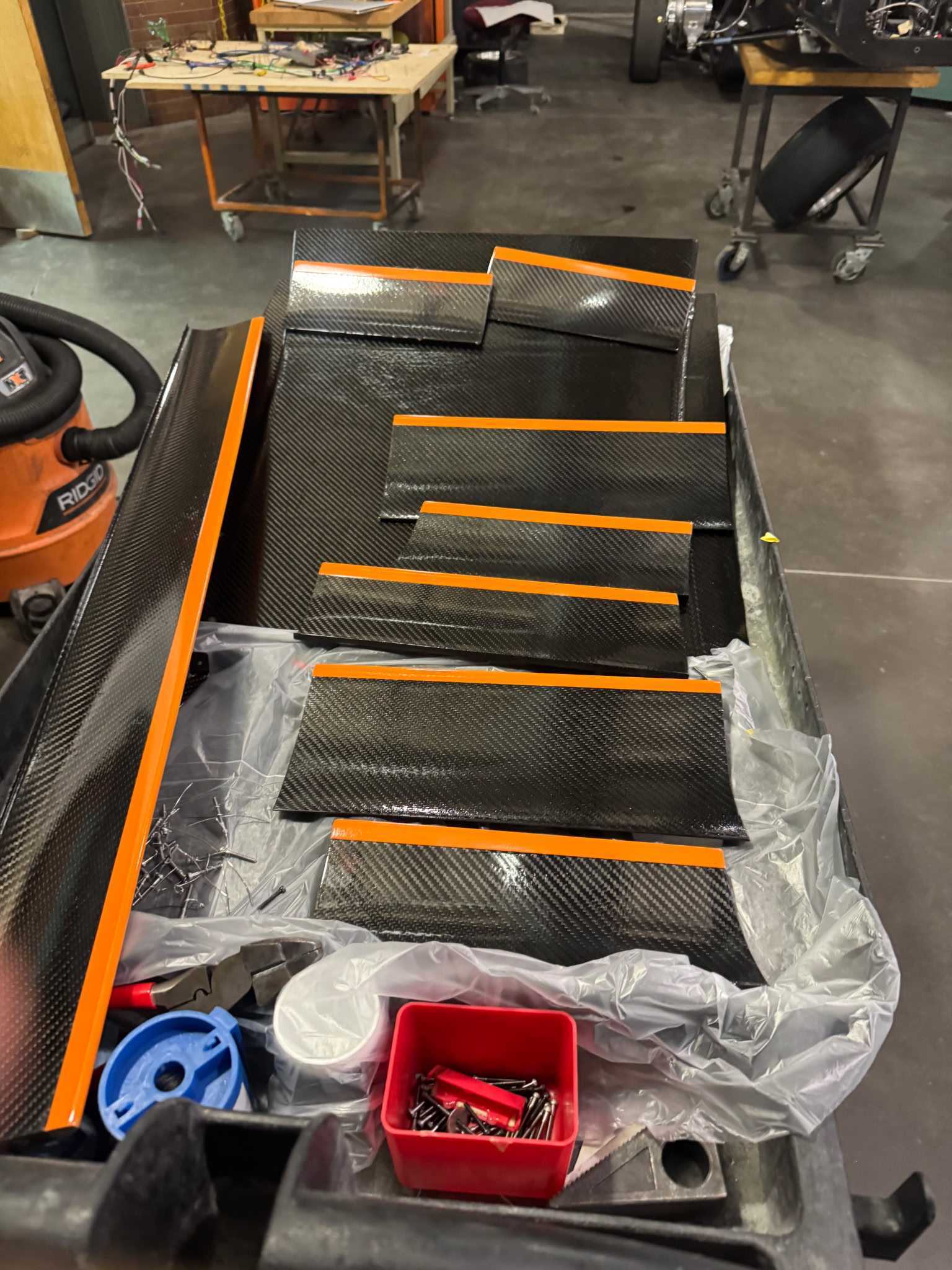
Composites Manufacturing
The Composites Manufacturing group is responsible for the fabrication of all carbon fiber, kevlar, and non-machinable parts of the car.
Chassis
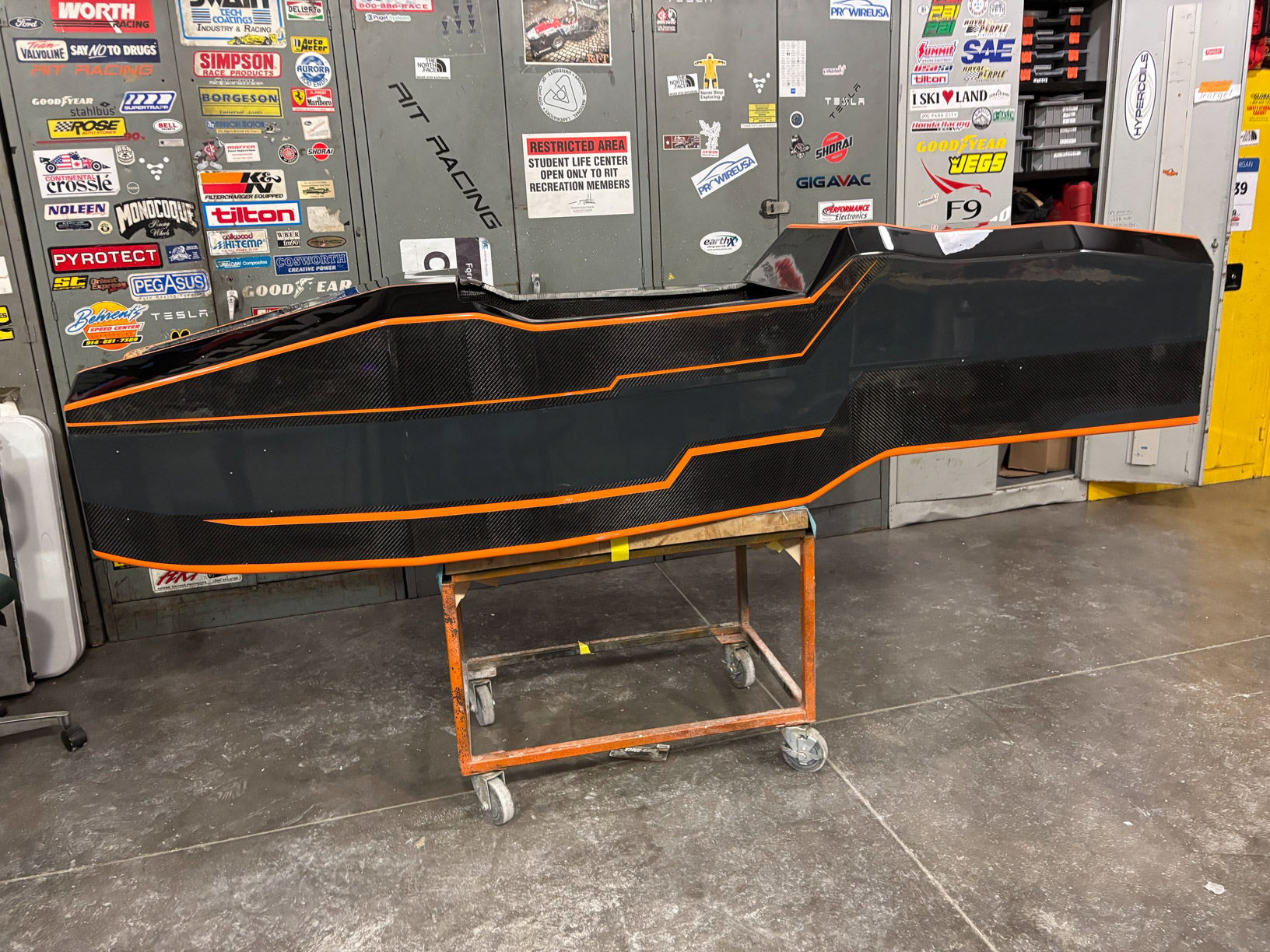
The Chassis group is responsible for the development and fabrication of the body of the vehicle and related structural components. They utilize carbon fiber in designs to maximize performance while conducting thorough analyses to keep our drivers safe.
CNC Manufacturing
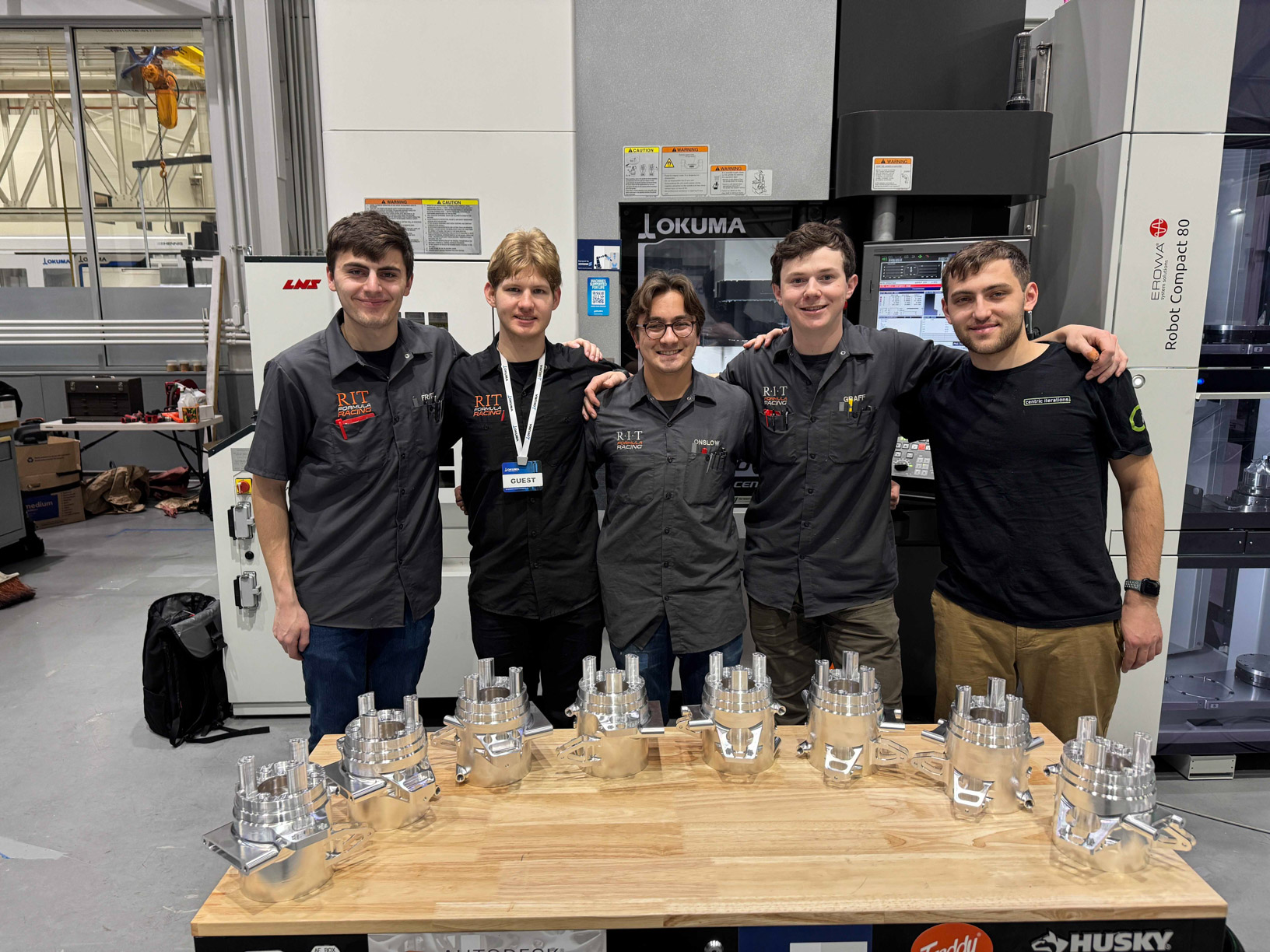
The CNC manufacturing group is responsible for all non-composite components on the car that cannot be done manually. They primarily run 3 axis machines, but also have access to 4 and 5 axis machines for parts with very complex geometry.
Combustion Powertrain
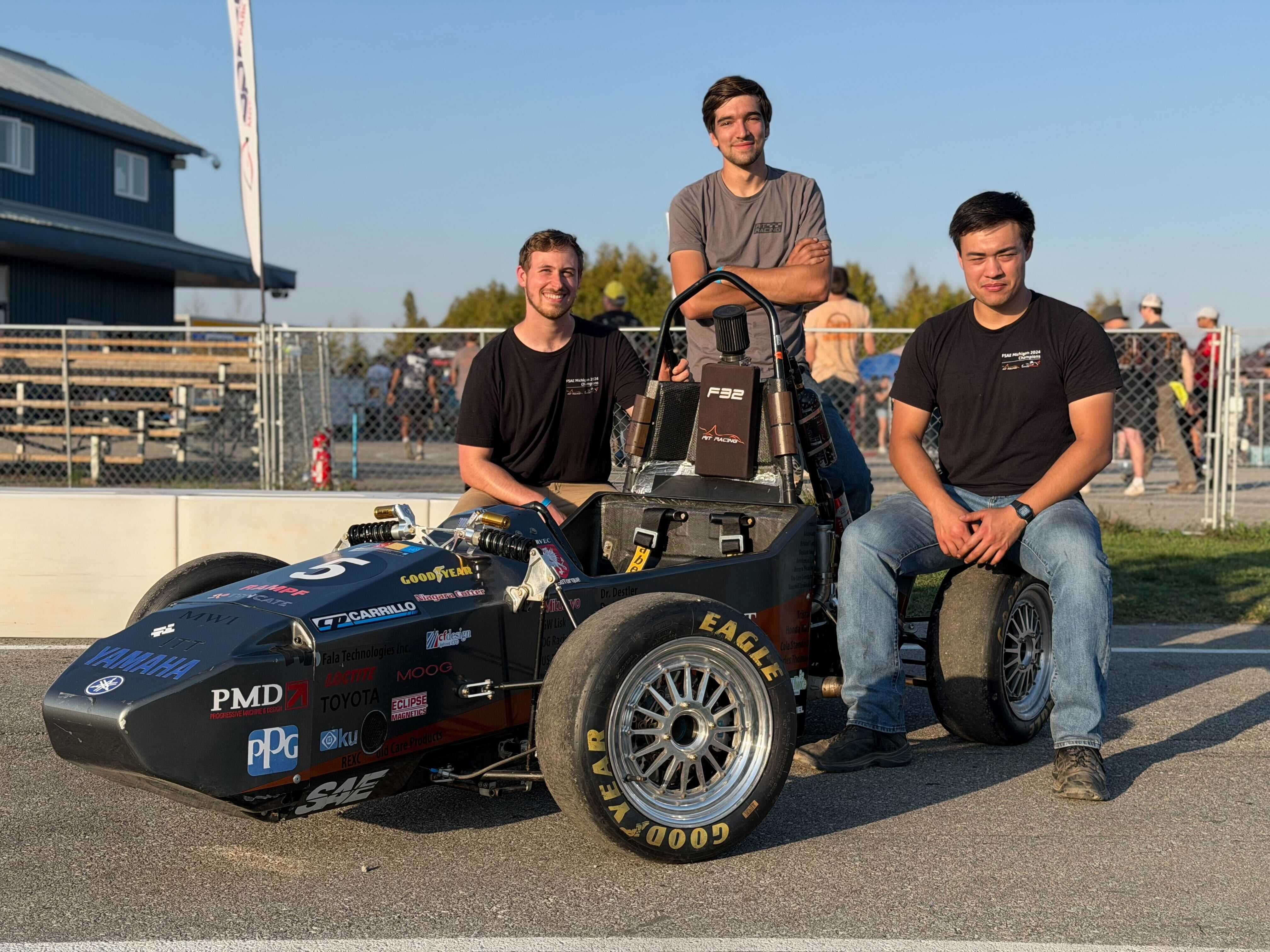
The Combustion Powertrain team is responsible for the rebuilding, maintenance, and tuning of all our legacy combustion powered vehicles. This includes all systems from the fixtures to the engine itself. They make sure that we have vehicles to test and train our drivers on, as well as making some loud and cool sounding noises.
Drivetrain
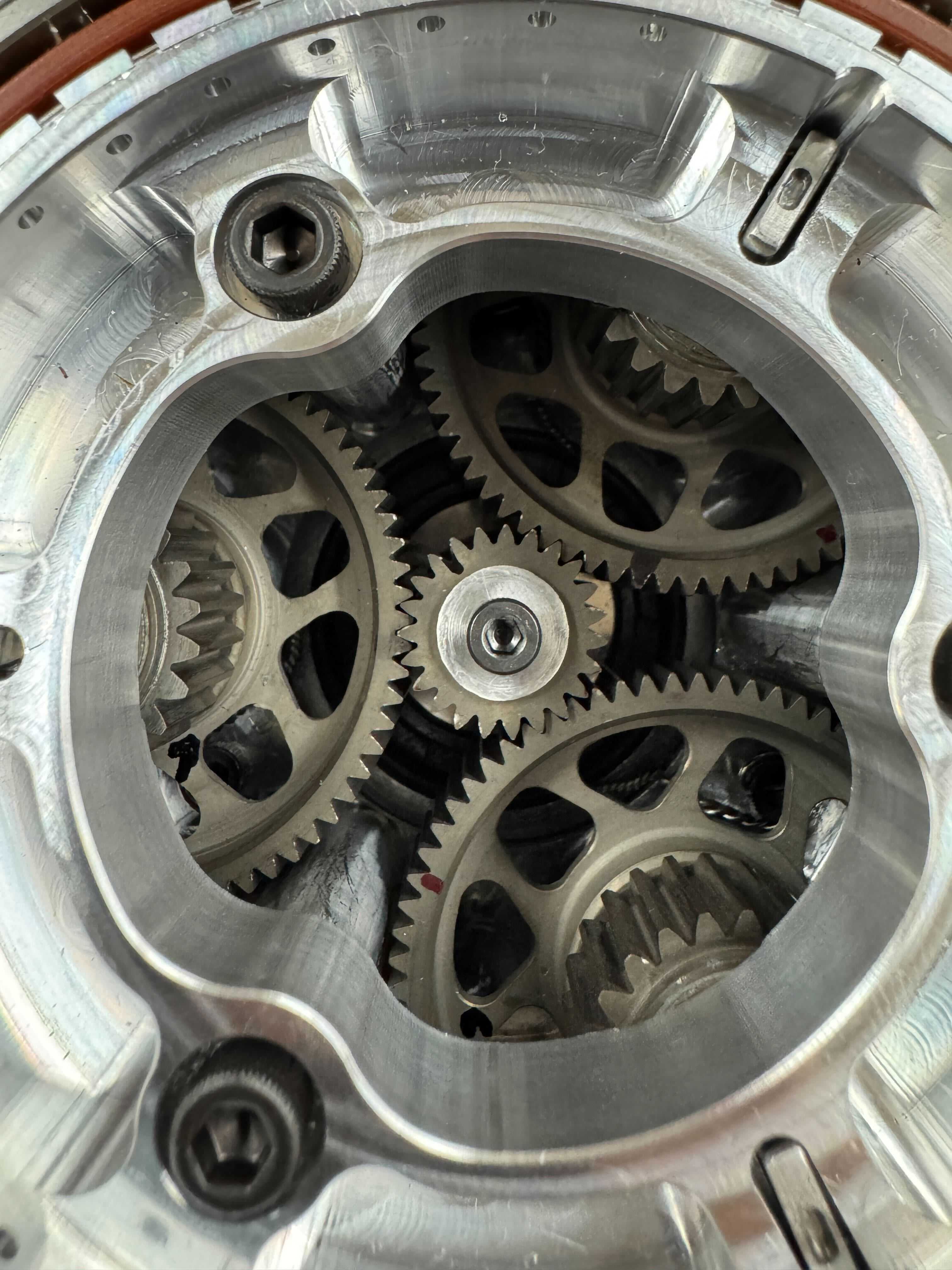
The Drivetrain group converts electrical power from the battery pack into mechanical force at the wheels — bridging the gap between raw motor output and track performance. We design custom gear sets and housings, specify lubrication systems, integrate motor torque delivery, and engineer thermal management to keep everything running at the limit.
Electronics
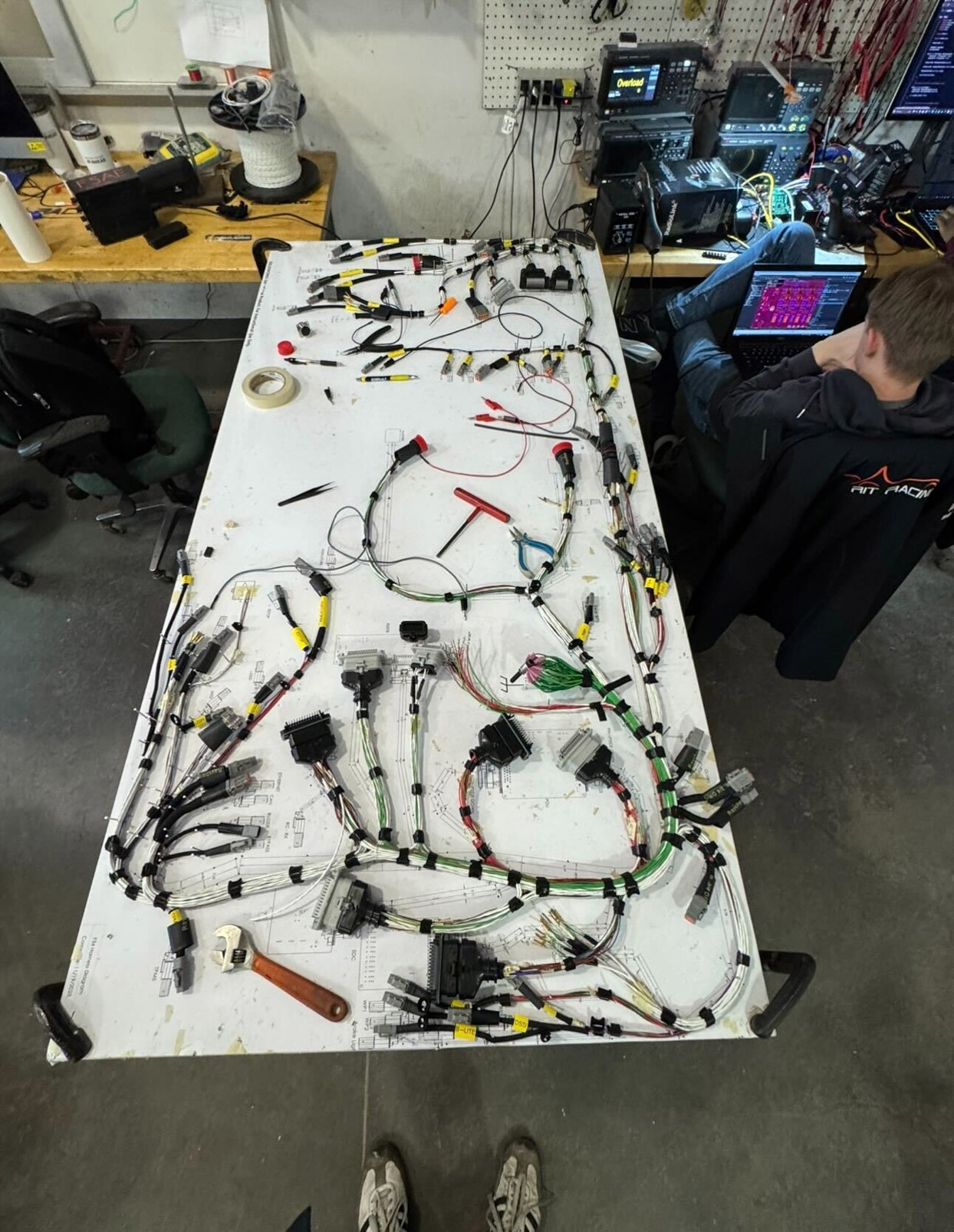
The Electronics group is responsible for the development of the low and high voltage electrical systems of the car. This includes harness design and manufacturing, PCB design, embedded systems, and data acquisition systems.
Electric Powertrain
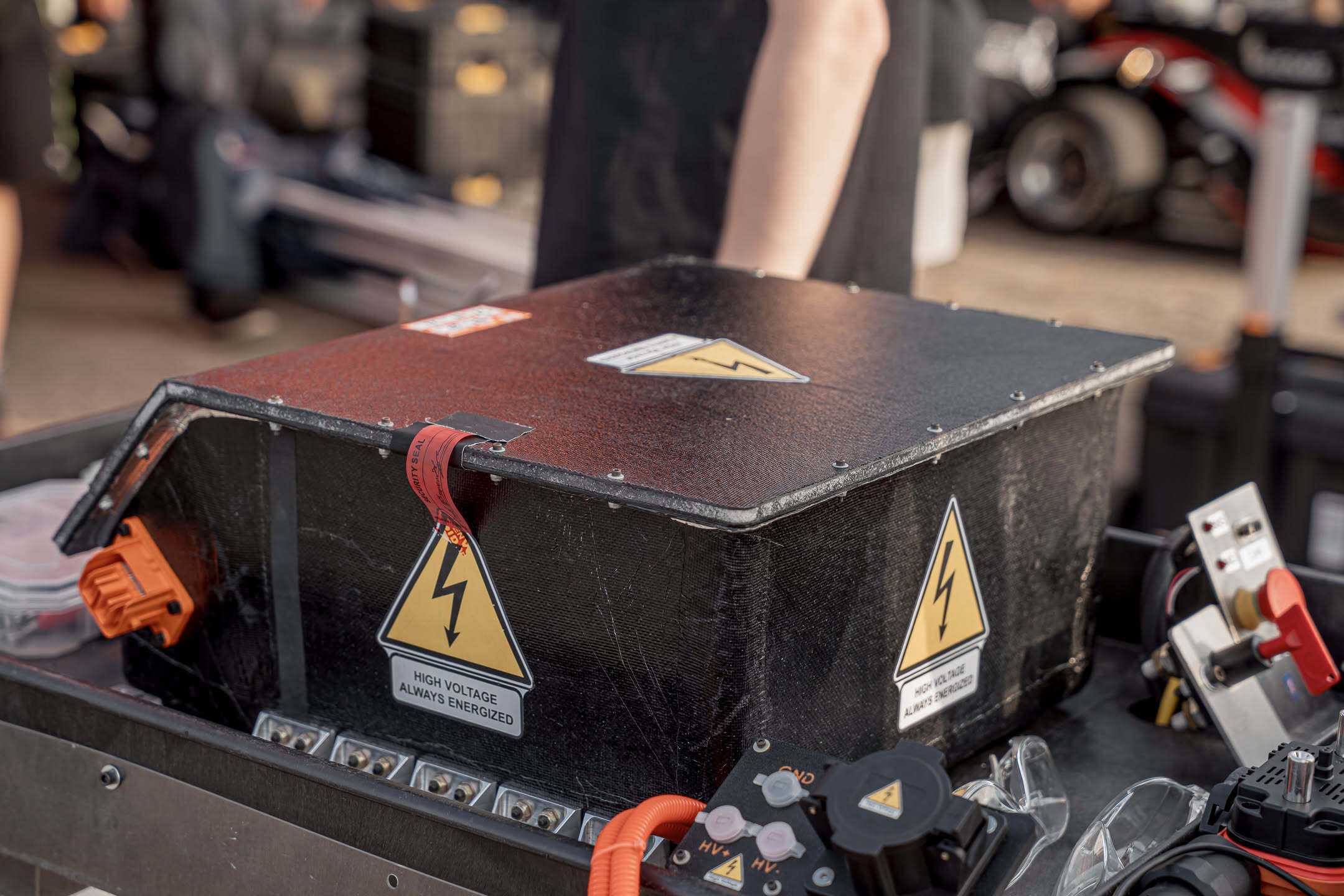
The Electric Powertrain group is responsible for the design, integration, and validation of the car's high-voltage battery, motors, motor controllers, and cooling systems. This group bridges the gap between mechanical, electrical, and thermal design to develop efficient, high-performance systems within tight rulesets.
Metallic Fabrication
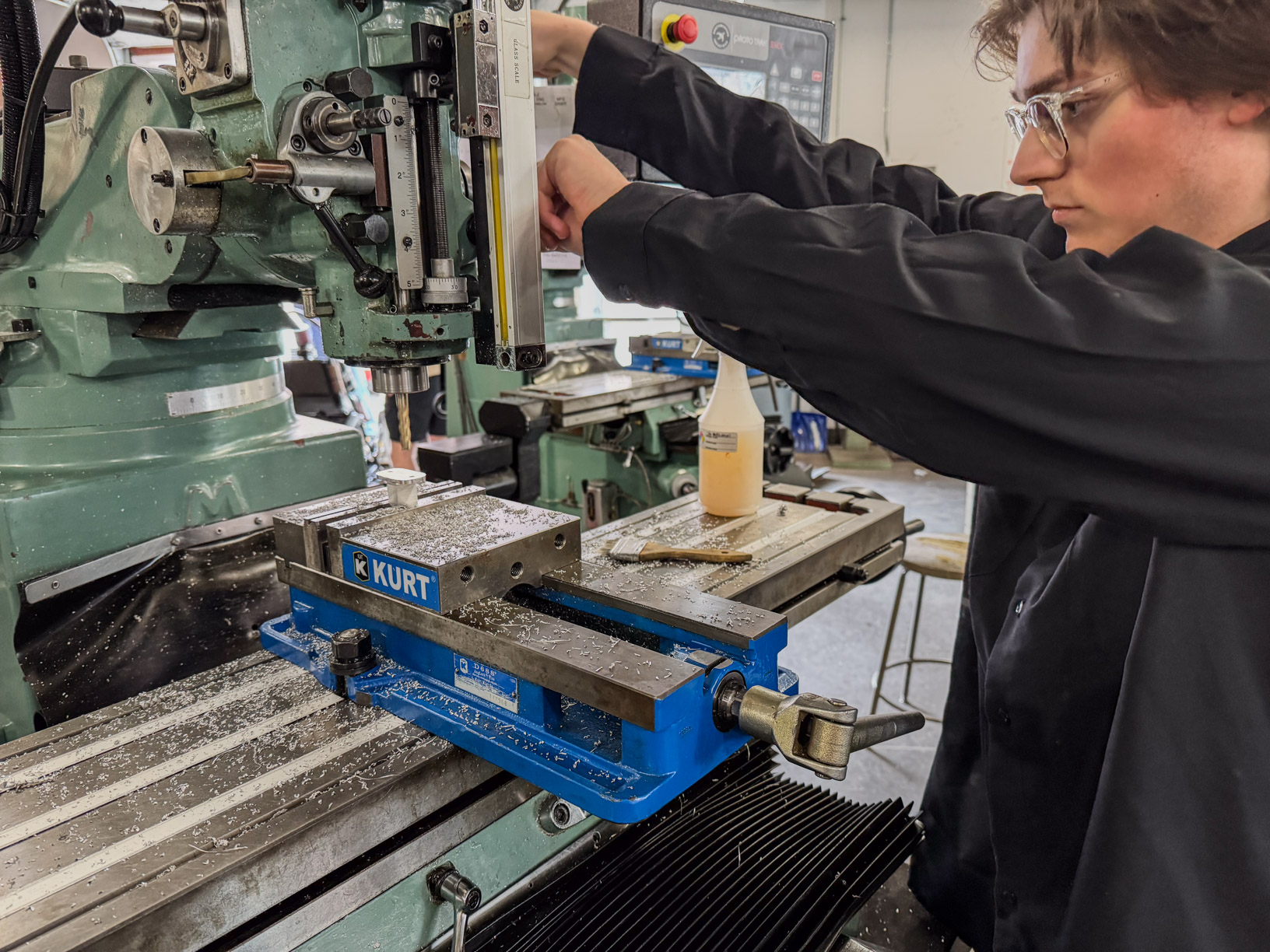
The Metallic Manufacturing team is responsible for teaching incoming new members how to use mills, lathes, and any other manual machining methods to create any parts necessary.
Suspension
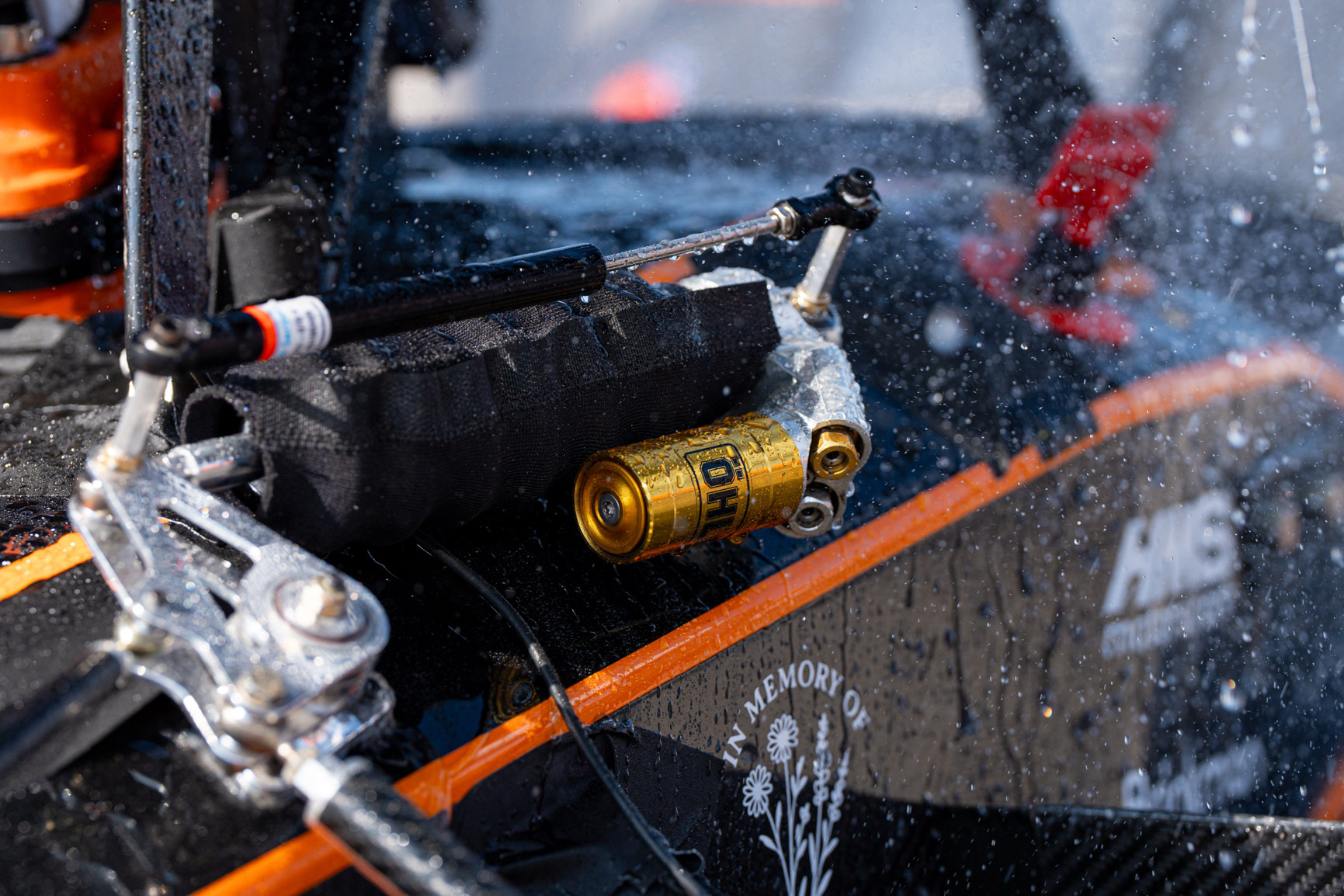
The Suspension Team designs, builds, and tests the vehicle's suspension system including components such as the shock mounts, bell cranks, wheel centers, uprights, and a-arms. We also calculate the forces at each critical suspension point based on data given by the Vehicle Dynamics team. These forces are then used for structural analysis throughout the various systems of the car.
Vehicle Dynamics
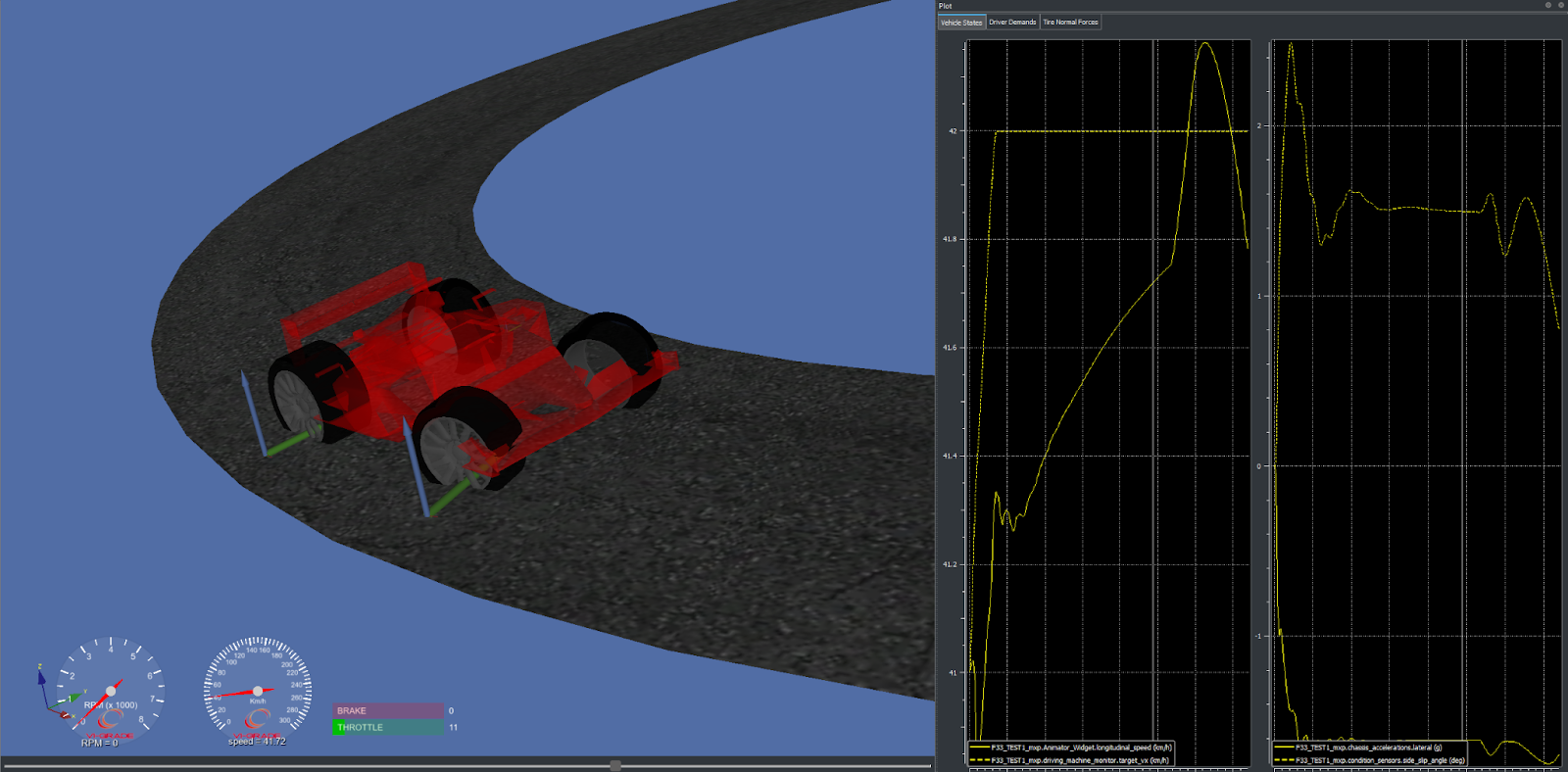
The Vehicle Dynamics team studies how the car performs on track and develops the tools used to optimize it. Most of our efforts pertaining to this program involve studying new approaches and developing innovative ways to implement them. We evaluate our success in this field by gathering qualitative and quantitative data, and using that information to measure shifts and changes from our baseline measurements.